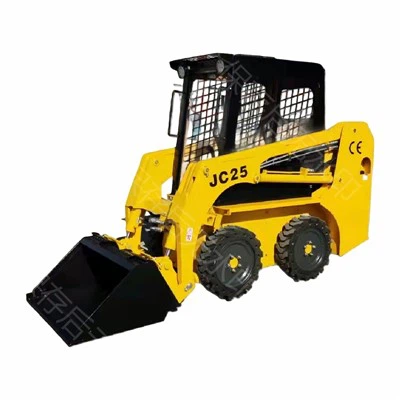


Skid steer loaders are indispensable workhorses in the construction, agriculture, and landscaping industries, known for their versatility and maneuverability. One aspect that often gets overlooked but is of crucial importance is the noise levels these machines generate. As a trusted skid steer loader supplier, I understand the significance of noise levels and how they can impact both operators and the surrounding environment. In this blog, we'll explore the various noise levels of skid steer loaders, their implications, and what we're doing to address them.
Understanding Noise Levels in Skid Steer Loaders
Noise levels in skid steer loaders are typically measured in decibels (dB). The noise generated by these machines comes from multiple sources, including the engine, hydraulic systems, and the interaction between the tires or tracks and the ground. Different models and sizes of skid steer loaders can have varying noise levels, which are influenced by factors such as engine power, design, and the type of attachments in use.
On average, a standard skid steer loader operating at full throttle can produce noise levels ranging from 80 dB to 90 dB. To put this into perspective, normal conversation typically occurs at around 60 dB, and exposure to noise levels above 85 dB for extended periods can start to cause hearing damage. Therefore, it's essential to understand the noise levels of skid steer loaders and take appropriate measures to mitigate their impact.
Implications of High Noise Levels
The high noise levels produced by skid steer loaders can have significant implications for both operators and the surrounding environment. For operators, prolonged exposure to high noise levels can lead to hearing loss, tinnitus (ringing in the ears), and other hearing-related problems. It can also cause stress, fatigue, and reduced concentration, which can affect operator performance and safety on the job site.
In addition to the impact on operators, high noise levels from skid steer loaders can also be a nuisance to nearby residents, workers, and wildlife. Construction sites and other areas where skid steer loaders are used are often located in urban or residential areas, and the noise generated by these machines can disrupt the peace and quiet of the surrounding community. This can lead to complaints, legal issues, and a negative impact on the reputation of the construction company or project.
Factors Affecting Noise Levels
Several factors can affect the noise levels of skid steer loaders. One of the most significant factors is the engine power. Generally, skid steer loaders with more powerful engines tend to produce higher noise levels. This is because more powerful engines require more fuel and air to operate, which can result in increased combustion noise.
The design of the skid steer loader also plays a role in its noise levels. Loaders with better insulation and soundproofing materials can help reduce noise emissions. Additionally, the type of attachments being used can impact noise levels. For example, using a hydraulic breaker attachment will generate significantly more noise than a simple bucket attachment.
The operating conditions of the skid steer loader also matter. Working on rough or uneven terrain can cause the tires or tracks to make more noise as they move over the surface. Similarly, high-speed operation or heavy load handling can increase the noise output of the machine.
Our Commitment to Reducing Noise Levels
As a skid steer loader supplier, we are committed to providing our customers with machines that are not only powerful and reliable but also environmentally friendly and operator-friendly. We understand the importance of reducing noise levels and have taken several steps to achieve this goal.
One of the ways we are reducing noise levels is through the use of advanced engine technology. We offer skid steer loaders with engines that are designed to be more fuel-efficient and produce less noise. These engines use advanced combustion processes and noise-reducing features to minimize noise emissions without sacrificing performance.
We also focus on the design and construction of our skid steer loaders to reduce noise. Our loaders are built with high-quality insulation and soundproofing materials to absorb and dampen noise. We pay close attention to the layout of the engine compartment and hydraulic systems to minimize noise transmission to the operator's cab.
In addition, we offer a range of attachments that are designed to be quieter in operation. For example, our hydraulic breakers are equipped with noise-reducing technologies to minimize the impact on the surrounding environment.
Comparing Noise Levels of Different Skid Steer Loader Models
When choosing a skid steer loader, it's important to consider the noise levels of different models. We offer a variety of skid steer loaders to meet the diverse needs of our customers, including Skid Wheel Loader, Power Wheel Skid Loader, Cheapest Mini Skid Steer, Mini Wheel Skid Steer Loader, and Mini Skid Steer Loader.
Our larger, more powerful skid steer loaders are designed for heavy-duty applications and may produce slightly higher noise levels compared to our smaller models. However, we have implemented advanced noise reduction technologies in these models to keep the noise levels as low as possible. Our mini skid steer loaders, on the other hand, are ideal for smaller jobs and are designed to be more compact and quieter. They are a great choice for applications where noise is a concern, such as in residential areas or indoor construction sites.


Tips for Reducing Noise Exposure
In addition to choosing a skid steer loader with low noise levels, there are several other steps that operators can take to reduce their exposure to noise. One of the most effective ways is to wear appropriate hearing protection, such as earplugs or earmuffs. These can significantly reduce the amount of noise that reaches the ears and help prevent hearing damage.
Operators should also ensure that the skid steer loader is properly maintained. A well-maintained machine is likely to produce less noise than a poorly maintained one. Regular maintenance, including checking and tightening bolts, lubricating moving parts, and replacing worn-out components, can help keep the noise levels in check.
It's also important to operate the skid steer loader at the appropriate speed and load capacity. Overloading the machine or operating it at high speeds can increase the noise output. By following the manufacturer's guidelines and operating the machine within its limits, operators can help reduce noise levels and improve the overall performance of the machine.
Contact Us for More Information
If you're in the market for a skid steer loader and have questions about noise levels or other features, we're here to help. Our team of experts can provide you with detailed information about our products and help you choose the right skid steer loader for your specific needs. Whether you're looking for a powerful Power Wheel Skid Loader for heavy construction work or a compact Mini Skid Steer Loader for landscaping projects, we have the perfect solution for you.
Feel free to reach out to us to start a conversation about your skid steer loader requirements. We look forward to working with you and providing you with the best equipment and service in the industry.
References
- Occupational Safety and Health Administration (OSHA). (n.d.). Occupational noise exposure. Retrieved from [OSHA website]
- Manufacturer's manuals for skid steer loaders.