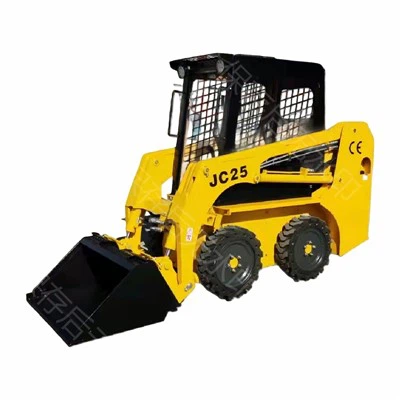


Hey there! As a supplier of mini skid loaders, I often get asked about the hydraulic flow rate of these machines. It's a crucial factor that can really make or break the performance of a mini skid loader, so I thought I'd take a deep dive into what it is, why it matters, and how it affects your operations.
First off, let's talk about what hydraulic flow rate actually is. In simple terms, it's the volume of hydraulic fluid that moves through a system in a given amount of time, usually measured in gallons per minute (GPM). This fluid is what powers the various attachments and functions of a mini skid loader, like the bucket, forks, and other tools. The higher the hydraulic flow rate, the more power and speed the machine can deliver to these attachments.
Why does the hydraulic flow rate matter? Well, it directly impacts the performance of your mini skid loader. If you're using an attachment that requires a high flow rate, like a hydraulic breaker or a power rake, and your machine doesn't have enough flow, it won't work as efficiently or effectively. You might notice slower operation, reduced power, or even the attachment not working at all. On the other hand, if you have a machine with a high flow rate and you're using an attachment that doesn't need it, you're wasting energy and potentially putting unnecessary strain on the system.
So, how do you determine the right hydraulic flow rate for your mini skid loader? It depends on a few factors, including the type of attachments you'll be using and the specific tasks you'll be performing. For example, if you're mostly using light-duty attachments like a standard bucket or a snow blade, a lower flow rate might be sufficient. But if you're planning to use heavy-duty attachments like a hydraulic hammer or a stump grinder, you'll need a machine with a higher flow rate.
Let's take a closer look at some of the common attachments and their hydraulic flow rate requirements:
- Standard Bucket: This is one of the most basic attachments for a mini skid loader. It typically requires a relatively low flow rate, usually around 5 - 10 GPM. This makes it suitable for tasks like moving dirt, gravel, or snow.
- Hydraulic Breaker: A hydraulic breaker is used for breaking up concrete, rock, or other hard materials. It requires a high flow rate, typically around 15 - 25 GPM, to deliver the power needed to break through these tough materials.
- Power Rake: A power rake is used for grading, leveling, and preparing soil. It also requires a moderate to high flow rate, usually around 10 - 20 GPM, to operate the rotating tines effectively.
- Stump Grinder: A stump grinder is used for removing tree stumps. It requires a very high flow rate, typically around 20 - 30 GPM, to power the cutting wheel and grind through the stump.
As you can see, the hydraulic flow rate requirements can vary widely depending on the attachment. That's why it's important to choose a mini skid loader that can provide the right amount of flow for the attachments you'll be using.
At our company, we offer a range of Mini Skid Steer Loader with different hydraulic flow rates to meet the needs of our customers. Whether you're looking for a Cheapest Mini Skid Steer for light-duty tasks or a Heavy-duty Mini Skid Steers for more demanding jobs, we've got you covered.
In addition to the hydraulic flow rate, there are a few other factors to consider when choosing a mini skid loader. These include the machine's horsepower, lift capacity, and operating weight. You'll also want to think about the comfort and ease of use of the machine, as well as the availability of parts and service.
Once you've chosen the right mini skid loader for your needs, it's important to take good care of it to ensure optimal performance. This includes regular maintenance, such as changing the hydraulic fluid, filters, and oil, as well as checking the hoses and connections for leaks. You should also follow the manufacturer's recommendations for operating the machine and using the attachments.
In conclusion, the hydraulic flow rate of a mini skid loader is a critical factor that can significantly affect its performance. By understanding the hydraulic flow rate requirements of your attachments and choosing a machine that can provide the right amount of flow, you can ensure that your mini skid loader operates efficiently and effectively. If you have any questions or need help choosing the right mini skid loader for your needs, don't hesitate to contact us. We're here to help you make the best decision for your business.
If you're interested in purchasing a mini skid loader, we'd love to have a chat with you. Reach out to us to discuss your specific requirements and explore the options available. Our team is ready to assist you in finding the perfect machine for your projects.
References


- Manufacturer's manuals for mini skid loaders
- Industry publications on construction equipment performance